Seoul Skin Tightening Secrets Revealed for a Naturally Lifted Look
Skin tightening Seoul is the city’s go-to glow-up for sagging skin, using advanced RF or ultrasound energy to wake up your collagen and tighten loose areas naturally. You just stroll into a clinic, chill for 30–60 minutes with zero downtime, and walk out with firmer cheeks, jawline, or tummy that keeps improving over the next few months. It’s perfect for a quick lunch-break refresh, and the heat-based tech feels like a warm massage while it works its magic.
What Exactly Does a Skin Tightening Session in Seoul Involve?
A standard skin tightening session in Seoul begins with a clinical consultation and skin analysis, often using a German or Korean imaging device to map laxity. After cleansing, a conductive gel is applied, and the practitioner selects either focused ultrasound (like Ultraformer or Shurink) or radiofrequency (like Potenza or Rezenerate) based on your dermal thickness. You’ll feel warmth or short prickling sensations as the handpiece moves across the jawline, cheeks, or neck. The procedure typically lasts 40–60 minutes, with no downtime, though mild redness for a few hours is normal. Clinics in Gangnam usually apply a cooling mask post-treatment. For what exactly does a skin tightening session in Seoul involve, expect immediate slight firming, with collagen rebuilding visible over 4–8 weeks.
The Step-by-Step Process From Consultation to Cool-Down
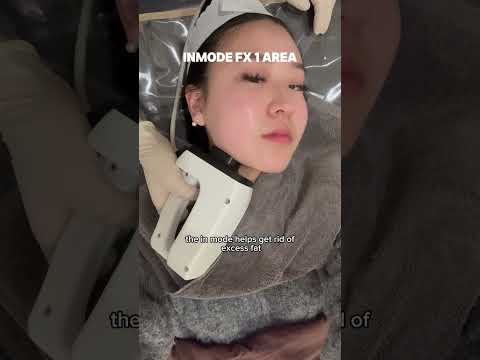
Your Seoul skin tightening journey begins with a mapping consultation, where a specialist scans your facial contours to identify laxity zones. Next, a conductive gel is applied, and the handheld device delivers targeted radiofrequency or HIFU energy in precise passes, with intensity adjusted to your tolerance. You’ll feel warmth, not pain, as the step-by-step process from consultation to cool-down keeps you informed at every stage. Finally, a chilled roller and soothing mask calm the skin, reducing redness before you leave—no downtime, just immediate glow. This structured flow ensures optimal collagen stimulation without guesswork, making each session efficient and results-driven.
From initial skin analysis to targeted energy application and a calming finish, the process is streamlined, comfortable, and designed for maximum lifting with minimal disruption.
How Long Each Appointment Lasts and What It Feels Like
A single skin tightening appointment in Seoul typically runs 45 to 90 minutes, depending on device and target area—HIFU sessions often hit the 60-minute mark, while RF needling may stretch to 90. The first 15 minutes involve numbing cream application, which feels cold and tingly. During the actual pulse delivery, you’ll experience a warm, prickling sensation—like a rubber band snapping against skin—with deeper energy feeling like brief, sharp heat that dissipates within seconds. Most patients describe the discomfort as moderate but entirely tolerable, never sharp pain. By the final 10 minutes, technicians often apply cooling gel, which shifts the feeling to a soothing, menthol-like chill. You can walk out immediately, with only mild redness and warmth persisting for a few hours.

Which Skin Tightening Technologies Are Most Popular in Seoul Right Now?
In Seoul, thermage and Ultherapy remain the most requested skin tightening technologies, often used together for layered depth. Shurink, a Korean-focused HIFU device, is also extremely popular for its shorter downtime and lower cost. Many clinics now prioritize the new SoftWave (trilift) for its ability to combine ultrasound and radiofrequency, targeting both deep SMAS and superficial dermis in one session. Additionally, Morpheus8, with its fractional microneedling and RF, is frequently chosen for facial contours and mild sagging, especially around the jawline. For a non-invasive option,
clinics in Gangnam routinely pair Thermage FLX with Shurink for immediate collagen contraction plus delayed remodeling.
The current trend favors combination protocols over single-device treatments, with most practitioners recommending 2–3 sessions of Shurink or Morpheus8 for younger patients, reserving Ultherapy for those needing more dramatic lifting.

Comparing Radiofrequency, Ultrasound, and Laser-Based Options
When comparing radiofrequency, ultrasound, and laser-based options for skin tightening in Seoul, think of it as choosing between heat depth, precision, and surface bounce. Radiofrequency (RF) suits beginners—it’s gentle, warms the dermis, and works well for mild laxity with zero downtime. Ultrasound (like HIFU) goes deeper, targeting the SMAS layer for a more dramatic lift, but it can sting and needs a few weeks for results. Laser-based systems, such as fractional CO2, resurface the skin while tightening, so they’re ideal if you also want texture improvement, though redness lingers longer. Clinics here often suggest combining RF with ultrasound for layered effects. Pick based on your pain tolerance, schedule, and how much sagging you’re fixing.
RF is mild and quick, ultrasound is deep and strong, lasers add resurfacing—choose by your downtime and desired lift.
How to Match a Device to Your Skin Laxity Level
To match a device to your skin laxity level in Seoul, start by pinching your cheekbone—if it springs back instantly, you’re mild, so a gentle HIFU or Shurink (radiofrequency) session maintains firmness. Moderate laxity, where you see slight sagging along the jawline, calls for deeper monopolar RF like Thermage, which heats the dermis to trigger collagen contraction. For severe drooping, combine Ultherapy (focused ultrasound) with a thread lift first, since heat alone won’t lift heavy tissue. Always ask your Seoul clinic for a skin elasticity scan before booking—this objective data maps your laxity to the right energy depth, avoiding wasted sessions.
Match mild laxity with HIFU/RF, moderate with Thermage, and severe with Ultherapy plus threads, guided by a clinic’s elasticity scan.
How to Choose the Right Clinic for Your Skin Tightening in Seoul
When choosing a clinic for skin tightening in Seoul, prioritize those that offer multiple device options, such as HIFU, RF, or focused ultrasound, since different skin laxity levels respond better to specific technologies. Request a consultation that includes a skin analysis and a personalized treatment plan rather than a one-size-fits-all package. Verify the actual device models available, as older generations deliver weaker results, and ask to see before-and-after photos of patients with a similar skin type and age. *The ideal Sofwave in seoul clinic will adjust intensity and depth based on your pain tolerance and fat distribution, not just your quoted price.* Also, confirm whether the practitioner, not just the consultant, will assess your facial volume, since excessive tightening on a thin face can create a hollowed look. Finally, choose a facility with a dedicated post-care follow-up, as skin tightening outcomes depend on proper aftercare within the first week.
Red Flags to Avoid When Reviewing Before-and-After Photos
When you’re scrolling through skin tightening Seoul results, watch for photos that look overly polished or bathed in dramatic studio lighting—that’s a classic trick to hide patchy texture. Skip any clinic that refuses to show unretouched close-ups or angles matching your own face shape, since skin laxity behaves differently on every jawline. If the “after” shot shows a completely different skin tone or hairline, that’s a red flag they swapped patients entirely. Also, be suspicious of timelines that claim dramatic firmness in under a week; real collagen remodeling takes months. Finally, beware of heavily filtered before-and-after photos, because if they’re editing the baseline, they’re likely editing the outcome too.
Questions to Ask the Consultant Before You Commit
Before you commit to any skin tightening Seoul package, grill the consultant on what defines a “session” in their protocol—ask if you’re paying per pulse, per area, or per device pass. Clarify the expected timeline for collagen remodeling, then demand a realistic percentage of improvement specific to your laxity grade. Probe about the consultant’s own feedback loop: will you get before-and-after imaging at each visit, or just a verbal “it’s working”? Ask how they handle uneven results mid-plan, and whether touch-ups are discounted for the same zone. Finally, request a direct line to the practitioner who will operate the device—don’t settle for vague “experienced team” answers.
Ask about session definition, real timelines, imaging checkpoints, touch-up costs, and direct access to your actual operator—before signing anything.
What Results and Downtime Can You Realistically Expect?
In Seoul, you can realistically expect noticeable skin tightening results within two to four weeks after your session, with optimal collagen remodeling peaking around three months—this is when the firming effect becomes most visible. Downtime depends on the technology: HIFU and radiofrequency cause mild redness that fades within a few hours, while microneedle RF may leave pinpoint swelling for one to two days. Most clinics here use advanced devices that let you return to work immediately, though you should avoid heavy exercise and saunas for 48 hours. The honest benchmark in Seoul’s competitive aesthetic market is a gradual lift, not a surgical jolt, with results lasting 12 to 18 months. Q: Will I look strange right after? A: No—only slight pinkness, easily covered with makeup, and no bruising in typical protocols. Your final outcome stabilizes by month four; touch-ups are usually scheduled at 12 months to maintain density.
Immediate Effects Versus the Full Collagen-Building Timeline
Right after your session in Seoul, you’ll see some instant plumping and firmness—that’s mostly water retention and temporary tissue contraction, not real collagen yet. That “glow” fades within a few days, which trips up a lot of first-timers. The actual full collagen-building timeline kicks in around week three, with noticeable structural lift peaking between two and three months. Your skin keeps remodeling for up to six months, depending on the device. So don’t judge results by the first week—the immediate effect is just a teaser, while the lasting tightness builds slowly underneath.
Q: Why does my skin look tighter right after, but then looser before the collagen kicks in?
A: Exactly! That early tightness is just tissue swelling. As it settles, your skin feels “back to normal” around day five—but that’s when your body starts laying down new collagen, so the real change happens quietly over the next couple months.
Managing Mild Swelling, Redness, and Tingling After the Procedure
Right after your skin tightening session in Seoul, expect some **mild swelling, redness, and tingling**—this is totally normal and means your collagen is waking up. For the first 24–48 hours, skip heavy makeup and harsh cleansers; just splash cool water and pat dry. A chilled gel mask (not ice directly) helps calm the heat and puffiness. Keep your head elevated when sleeping to reduce swelling, and avoid saunas, steam rooms, and spicy food (yes, that means tteokbokki can wait) for about three days. Tingling usually fades within a few hours, but redness can linger up to two days. Moisturize with a gentle, fragrance-free cream to soothe the skin barrier. Most people feel back to normal by day three—just be patient and let the skin do its thing.
Q: How long does the tingling last after a Seoul skin tightening session?
A: Usually just a few hours, but if it persists beyond a day, apply a cool compress and skip active serums—if tingling turns to sharp pain, contact your clinic right away.

How Much Does Skin Tightening Cost in Seoul and How to Save?
In Seoul, skin tightening costs typically range from ₩100,000 to ₩500,000 per session, depending on the technology (e.g., HIFU, RF, or laser) and the clinic’s location in Gangnam versus other districts. Package deals for 3–5 sessions often reduce the per-session price by 20–30%, so ask for bundled pricing upfront. To save, book during off-peak weekday mornings, when many clinics offer 10–15% discounts, and check Korean platforms like Gangnam Unni or Babitalk for exclusive promotional rates that foreign tourists can access with a passport. Additionally, combining skin tightening with other non-invasive treatments, like a simple facial, sometimes triggers a “combo discount” at larger dermatology chains. **Q: What is the cheapest way to get skin tightening in Seoul? A: Look for first-time visitor coupons on Korean booking apps and negotiate a package of multiple sessions, which drops the cost to about ₩80,000 per session. Always confirm whether the quoted price includes numbing cream and aftercare, as these hidden fees can add ₩20,000–₩50,000, but paying with cash at smaller clinics often waives them.
Understanding Pricing Per Area Versus Package Deals
When budgeting for skin tightening in Seoul, you’ll notice clinics quote either per-area pricing or package deals. Per-area rates (like ₩100,000–₩300,000 for a cheek or jawline) let you pay only for what you treat, but costs stack fast if you want multiple zones. Package deals bundle areas—say, face + neck + abdomen—for a flat discount, which often saves 20–40% if you genuinely need all zones. To decide:
- List your priority areas and get a per-area quote for each.
- Ask the clinic for a package price covering exactly those zones.
- Compare the two—if the package adds a zone you didn’t plan, skip it unless the per-area math shows clear savings.
Watch for hidden session limits in packages—some only cover one treatment round, while per-area pricing lets you repeat just the stubborn spot later.
Why Some Clinics Offer Free Consultations and Skin Analysis
In Seoul’s competitive skin tightening scene, free consultations and skin analysis are a smart way to get you through the door—not just charity. Clinics know your laxity, fat distribution, and collagen depth determine which of the many tightening devices (like Shurink or Thermage) will actually work, so they use the scan to pitch a tailored plan rather than a one-size-fits-all price. You benefit by learning the real cause of your sagging before paying anything, and they benefit by building trust for costlier packages.
- Free skin analysis reveals if you need radiofrequency, ultrasound, or laser—so you don’t overpay for the wrong machine.
- Consultations let you compare quote structures (per-area vs. full-face) without financial commitment.
- Clinics use the scan to show problem zones, making their recommended treatment—and its cost—feel more justified.
Ask for the analysis printout to compare later with other clinics, since many will match or beat a quoted price.
Who Is an Ideal Candidate for Non-Surgical Lifting Treatments in Seoul?
The ideal candidate for non-surgical lifting treatments in Seoul is someone in their late 20s to early 50s noticing mild-to-moderate sagging, like a softening jawline or early jowls, but who still has decent skin elasticity—not severe drooping that needs a surgical facelift. In Seoul, this fits perfectly with the city’s focus on preventative skin tightening Seoul, where you aim to maintain firmness before gravity wins. You’re a good fit if you have realistic expectations, want minimal downtime (think lunch-break procedures), and prefer gradual, natural-looking results over dramatic changes. Also, thicker or oilier skin types often respond faster to RF or ultrasound-based skin tightening Seoul protocols. Thin, sun-damaged skin may need more sessions.
If you’re looking to “hold the line” rather than “rewind the clock,” this is your sweet spot.
Ultimately, your candidacy hinges on skin laxity level, not age alone.
Best Skin Types and Age Ranges for Optimal Outcomes
The optimal outcomes for non-surgical lifting in Seoul are consistently seen in individuals with Fitzpatrick skin types I to III, as lighter skin tones present a lower risk of post-inflammatory hyperpigmentation following energy-based treatments like HIFU or RF microneedling. While darker skin types can still benefit, they require conservative energy settings and longer intervals between sessions. Regarding age, the ideal window is the mid-30s to early 50s, when skin elasticity loss is moderate but collagen production remains sufficiently responsive. Patients in their 30s often achieve preventative lifting, while those in their 40s see the most dramatic correction of early jowling. By the late 50s, excessive laxity may necessitate surgical alternatives, making the mid-40s sweet spot the benchmark for maximum, sustained lifting results.
When Face Tightening Alone Won’t Work and You Need a Different Approach
When your skin has more looseness than collagen-boosting energy can tackle, face tightening alone in Seoul will leave you frustrated. If you notice jowls that cast shadows or deep creases that don’t budge after several sessions, the issue is structural, not superficial. In that case, a different approach makes sense—think contour-focused procedures like埋线提升 threads or targeted fat dissolving, which physically reposition tissue rather than just stimulating renewal. A clinic might suggest combining ultrasound with injectables, but if your laxity feels heavy or sagging, ask about volume replacement. Choosing a different approach requires honest expectations, so let a doctor assess skin thickness and bone structure during your consultation in Seoul.